Before starting a job in California, it's crucial to understand the state's employment laws. These laws protect your rights and outline your responsibilities as an employee. In this article, we'll cover essential aspects of California employment law, including employee rights, types of contracts, wage regulations, and more.
Understanding Employment Law Basics
Employment law in California is designed to protect workers' rights and ensure fair treatment in the workplace. It encompasses various regulations, including wage laws, health and safety standards, and anti-discrimination policies. Familiarizing yourself with these laws can help you navigate your job more effectively.
California's legal framework is known for being one of the most employee-friendly in the U.S. This means that employees enjoy several protections that may not be available in other states. For example, California law mandates that employers provide meal and rest breaks, which is crucial for maintaining a healthy work-life balance.
Key Employee Rights in California
As an employee in California, you have certain rights that are protected by law. These include:
- Anti-Discrimination Rights: California law prohibits discrimination based on race, gender, sexual orientation, disability, and other factors.
- Right to a Safe Workplace: Employers must provide a work environment that is free from hazards.
- Wage and Hour Rights: Employees are entitled to fair compensation for their work, including overtime pay.
- Family and Medical Leave: Under the Family and Medical Leave Act (FMLA), eligible employees can take unpaid leave for certain family and medical reasons.
Understanding these rights can empower you to advocate for yourself in the workplace. If you believe your rights are being violated, consider consulting an Employment Lawyer in California for guidance.
Types of Employment Contracts
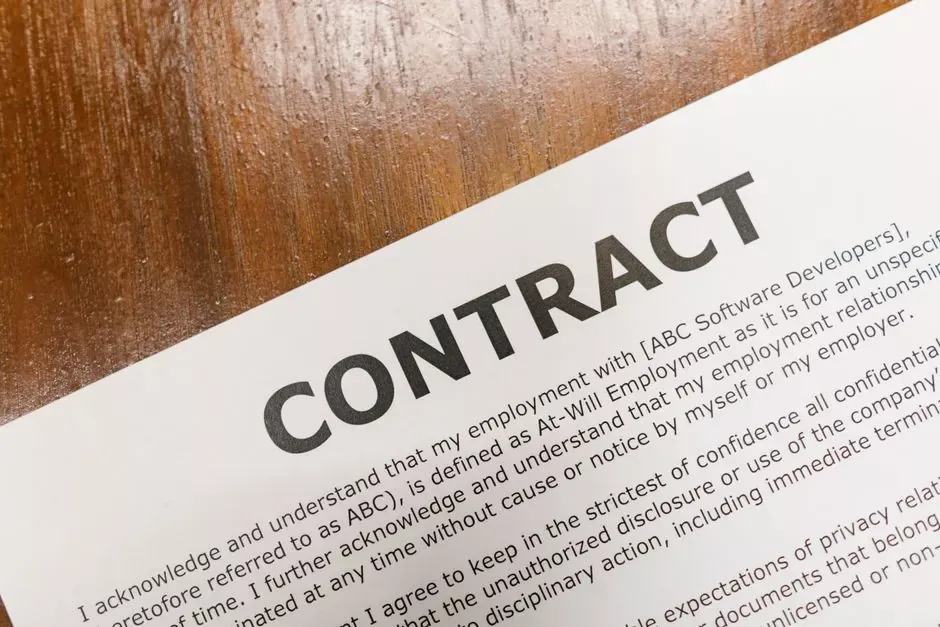
In California, employment can be categorized mainly into two types: at-will employment and contractual employment. At-will employment means that either the employer or the employee can terminate the employment relationship at any time, for any legal reason. This is the most common form of employment in California.
On the other hand, contractual employment involves a formal agreement that outlines the terms of employment, including duration, duties, and compensation. Understanding the type of contract you are entering can help you know your rights and obligations.
Wage and Hour Laws
California has some of the most stringent wage and hour laws in the country. The minimum wage in California is higher than the federal minimum wage, and it is scheduled to increase annually until it reaches $15 per hour for all businesses. Additionally, California law requires that employees receive overtime pay for hours worked over 8 in a day or 40 in a week.
Employers are also required to provide employees with a detailed pay stub that outlines their earnings and deductions. This transparency helps employees understand their compensation and ensures compliance with wage laws.
Workplace Safety Regulations
California's Occupational Safety and Health Administration (Cal/OSHA) enforces regulations to ensure workplace safety. Employers are required to provide a safe working environment and comply with safety standards. This includes providing necessary training and equipment to prevent workplace injuries.
If you encounter unsafe working conditions, report them to your employer or Cal/OSHA. You have the right to work in an environment that prioritizes your health and safety.
Common Mistakes to Avoid
As you navigate employment law in California, be aware of these common mistakes:
- Ignoring Employment Contracts: Always read and understand your employment contract before signing.
- Not Documenting Issues: Keep records of any workplace issues, including emails and performance reviews.
- Overlooking Your Rights: Familiarize yourself with your rights to avoid being taken advantage of.
- Delaying Action: If you believe your rights are being violated, take action promptly.
When to Call a Professional
If you find yourself facing workplace disputes or believe your rights have been violated, it may be time to consult a professional. An experienced attorney can provide valuable guidance and help you navigate complex employment laws. At Tahoe Attorney, we specialize in employment law and can assist you in understanding your rights and options.
Frequently Asked Questions
What is at-will employment?
At-will employment means that either the employer or employee can terminate the employment relationship at any time, for any legal reason, without prior notice.
How do I report unsafe working conditions?
You can report unsafe working conditions to your employer or file a complaint with Cal/OSHA, which investigates workplace safety violations.
What should I do if I experience workplace harassment?
If you experience harassment, document the incidents and report them to your HR department or a supervisor. Consider consulting an Employment Lawyer in California for legal advice.
Can I be fired for taking medical leave?
No, under the FMLA, you cannot be fired for taking approved medical leave. However, you must meet eligibility requirements.
What are my rights regarding overtime pay?
In California, employees are entitled to overtime pay for hours worked over 8 in a day or 40 in a week, typically at a rate of 1.5 times their regular pay.